

At our last post related gathering, we wrestled a bit with the ‘rumble’ part of processing “the story I’m telling”. Rumble didn’t quite land as a thing we would do in relation to a story. No wonder, since when I looked up the various meanings, most of them relate to making a low, sustained noise. There’s a fun British use of it as a passive state – you can be rumbled, which is when something you have tried to hide is discovered. And then there’s the US historical use of it as a street gang confrontation. I doubt if this is currently how gang members are describing their stand offs. Also, I am not keen to approach my story with that kind of knife fight energy.
So, I spent a happy period of time (not saying how long) exploring other word options. Wrestle was suggested at our gathering, and there’s definitely something appropriate about it – we can wrestle with an idea, for sure. And there’s the story of Jacob wrestling with the unknown being (God, angel, other?) on the night before meeting with his estranged twin, which adds a nice ‘in the tradition’ feel to using the image for how we engage with “the story I’m telling”.

But I’ve also been thinking a lot recently about non-violent communication. How we talk about how we talk matters. For example, at a gathering of ministers earlier this year, one of them offered a way of looking at and understanding a situation from a grace-full and generous perspective. A colleague immediately responded to this, prefacing their alternative view with the words, ‘I’d like to push back on that…’ As if the first offering had been a push, an intrusion that had threatened others in the room who heard it. It was perceived and received as violent and in reaction, violence was returned. Similarly, as our General Assembly approaches, I am contemplating being immersed in four days of what we Presbyterians fondly call rigorous debate. This kind of communication is nothing short of combative. In a ‘this house believes’ set up, there can only be opposing views, and we can only listen to the opposition with the intention to understand enough to undermine, deconstruct, refute, and repudiate as cleverly and impressively as possible. That’s how the debate frame works. The frame of the communication does not work when we try to listen with compassion, to listen to understand. It does not lead us to a place where we might listen for the quiet voice of Spirit, who is probably weeping somewhere nearby and begging us to listen to ourselves so we might hear the scorn, anger, fear, arrogance and derision in our own voices and so, convicted, repent.
All of which is to say, I’m not keen on wrestling with the story either.
But there is something embodied about this processing – it’s not all happening in my head. My heart and my body are responding to ‘the story I’m telling’. It needs an embodied image to draw us beneath the first reaction and help us to dig around for what is going on behind and underneath.
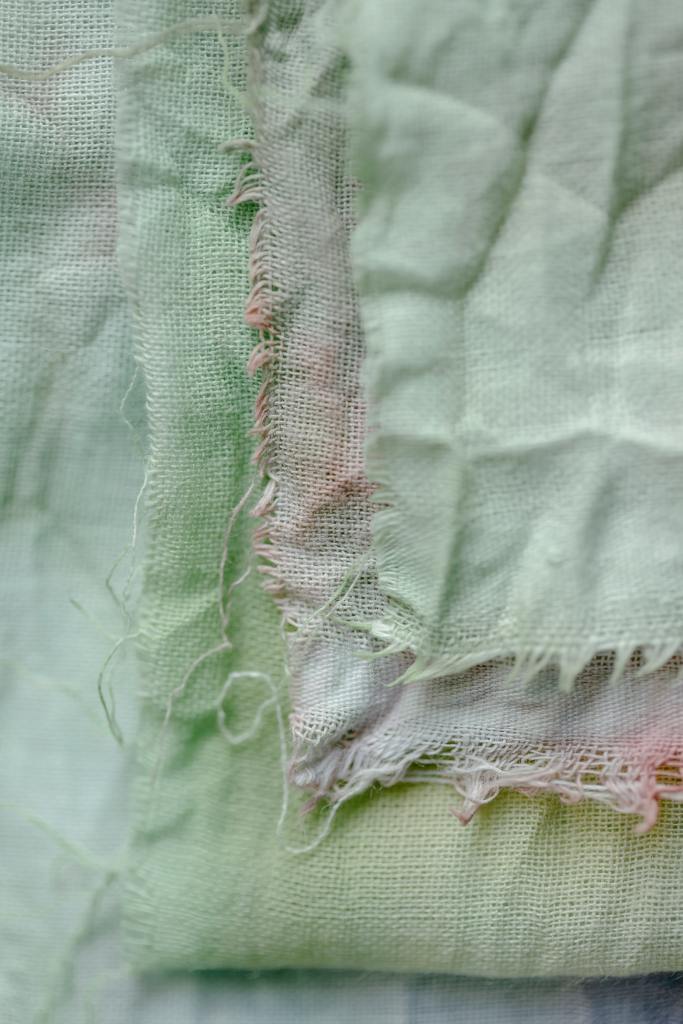
So, how about ravelling? Are you ready to ravel this story you’re telling? Ravel is a great word! On its own, it means to tangle, but put ‘un’ before it or ‘out’ behind it and it means to tease out or cause to fray. When you use it to refer to a solid surface, it means to break it up. And its archaic use, it means to confuse or complicate. What a rich image for working with your story!
Now that we have that sorted out, here are some resources for you.
The Resources
You might want to refresh your memory about part 1 of this story ravelling process before proceeding to part 2, because we’re going to pick up where we left off. You’ve got your Shitty First Draft, which is your raw and unedited, unfiltered and shamelessly honest first reaction to a situation, an encounter, a long standing relationship pattern (I hope you pick something real and recent to explore). It’s fine that your SFD reflects not just what you are absolutely sure about – I feel belittled and hurt and I physically feel like grabbing your phone and throwing in the garburator – but also where you are uncertain, bemused or confused – what just happened? Where did that come from? Note that down. It’s important information.
With your SFD in hand, we can move to phase 2.
There are three rounds of questions to help ravel this story, and they relate firstly to what you know and what assumptions you are making. This helps you to recognise that you aren’t working with all the data, so of course there are going to be gaps and snags in the story you are telling. What more do you need to learn about the situation?

Once you have teased out what you know objectively from what you assume or interpret about the situation then you can turn your questions to the second area for exploration: what more do you need to learn and understand about the other people in the story? You’ll need to ask them questions to clarify what they meant by…what they were referring to when…or what had happened just before/earlier/was coming up. And, it goes without saying (but you’ll notice I am saying it anyway) we have to find a way – a tone – to ask those questions that is gentle, thoughtful and non-violent. The aim is to learn and understand not to confirm our assumptions.
And usually our assumptions about others tell us way more about ourselves than they do about the ones we are lumping them onto, so the final round of questions turn the focus back onto you. What’s underneath your first reaction? What are you really feeling? What did you bring to the encounter/situation/pattern that contributed to the outcome – what part did you play?
It takes courage to find answers to these questions. You have to want to ravel out the strands, and you have to be prepared to see what you’ve been happy to overlook or excuse, project onto someone else or take as given. ‘It’s just my/their way’, and ‘they/I don’t mean to’ and ‘I’ve tried…it didn’t work’ are some of the ways we avoid doing the patient, wholehearted and sometimes heartbreaking work. It’s not without risk. There are very likely to be some unravelled threads that don’t weave tidily back into your life. This work changes things, changes you, and I’m coming to believe that doing this work or not doing it is less about a lack of courage or skill and more about timing. You can’t do it until you are ready to hear and see… and when you are ready, you can’t not do it.
So, pause to reflect
Is this ravelling work you feel ready for? If you aren’t sure, what would need to happen for you to feel more clear or confident? If you feel unready, what obstacles are there in your way, and what might you do to work to ravel these and move towards readiness to see and hear?
The other books and podcasts I’ve been engaging with recently have given me a sense that this kind of work is also what is needed in this time – there are multiple arenas where assumptions are being brought to the surface and questioned, where unravelling is already happening. Are you ready to engage in these conversations? How are they happening and how can they happen with compassion, curiosity and non-violent ways of communicating?
Brene talks about dwelling in the Delta as you ask these questions. She has a professional reason – the Greek letter 𝛅, in its capital form is a triangle 𝚫 and this represents the three foundational aspects of growth – emotions, thoughts and behaviour. When you ravel the story, all three come into focus and change happens in all three areas.
She also has a personal attachment to a song that references the delta as a place of fast running rivers of choice and chance. Nice.
I like that a delta is the area where a river meets the sea. It’s a place of transition where things are shifting and with the ebb and flow there is fresh water and salt water, there is richness, diversity and accommodation. There are marshes and slippery slopes and wide open spaces. This is where we do the work. It’s never the same place. It’s the messy middle between the truth and the story. It’s where you land the moment shame and fear visit. It’s where grief, regret and nostalgia take you, and any time you faceplant you are in the Delta.
The temptation is to believe that armouring up to self protect will mean that you are still on solid ground and not in fact floundering about in a salt marsh with the tide coming in. Or perhaps your temptation is to brazen it out, to fix the mask more firmly in place and refuse to recognise what just happened.
What happens for you when you know ‘something is wrong’? What do you do? What do you say to yourself? What do you pay attention to? How do you go about figuring out what happened?
How do you know you are in the Delta?
The Practice
Yes, just one again this time, because it’s enough.
Ravel out your SFD. Ask the three rounds of questions and if you aren’t ready for that yet, dwell in that delta, because the only questions you need to ask are the ones from the third round: what more do you need to learn about yourself and what’s in the way?

 an unusual book club